
Двухдневная сущность Ханчжоу заключается в гармоничном сочетании природы и культуры: туман. Виды Западного озера, древние гроты храма Линьин, императорские чайные церемонии Лонгджина и кулинарные изыски Хефанг-стрит — все это вплетено в безмятежный гобелен истории, вкуса и вневременной красоты.
Тур Ханчжоу из Шанхая Национальный Китай Музей чая - Мейдзиау - Храм Линьинь - Западное озеро - Цинхефан
4-звездочный отель
Сегодня утром ваш гид встретит вас в вестибюле отеля и сопроводит вас в отель.
Шанхайский скоростной вокзалдля тебя
Пулевой поезд в Ханчжоу (около 1 часа, 158 км). Добро пожаловать в Ханчжоу, «Небеса на Земле» и культурный город с историей более 5000 лет.
Вы впервые посетите
Китайский национальный Музей чаяКитайский музей чая (China Tea Museum), единственный тематический музей национального уровня в Китае, посвященный чаю и чайной культуре. В нем хранится коллекция из 3865 предметов, в том числе 156 драгоценных артефактов, 170 образцов чайных листьев с древних времен и 349 комплектов иностранной чайной посуды. Музей разделен на
две отдельные ветвиs: Shuangfeng Branch и Longjing Branch (расположен в 3 км друг от друга).
Отделение ШуанфэнОн находится ближе к Западному озеру и представляет собой красивый сад в стиле Цзяньнань. Помимо статуи Лу Юй, Мудреца чая и специальной выставки на Западном озере Лонджин, здесь вы можете узнать о китайской чайной культуре и жизненном цикле чайных растений, оценить различные изысканные чайные принадлежности, получить представление о древних методах чаепития и приготовления чая. Longjing Branch построен на склоне холма, с чайными деревьями, чайными павильонами и прудами, перемежающимися между ними. С чайного алтаря на вершине горы вы можете насладиться панорамным видом на Западное озеро и окружающие чайные горы. в
Отделение ЛонгджинаВы можете узнать о глобальной чайной культуре, о том, как чай распространился из Китая в мир, о нематериальном культурном наследии традиционных методов приготовления чая в Китае, об исторических чайных церемониях в Китае и связанных с ними обычаях, таких как чайное кипение династии Тан и Дянь Ча династии Сун.
Далее, перейти к
Meijiawu Tea Culture VillageКрупнейшее место производства чая Longjing. Говорят, что поездка в Ханчжоу не будет полной без посещения чайной деревни Мэйдзяу. С 1950-х годов он принимал многих национальных лидеров, глав правительств и дружелюбных посетителей по всему миру. Во время фестиваля Цинмин (ранняя весна) женщины, собирающие чай, заняты сбором чайных листьев, создавая живописную картину «Рассветная весна Мэйцзяу», один из 10 новых видов Западного озера. Говорят, что для производства 1 кг высококачественного чая Longjing (Dragon Well Tea) необходимо более 30 000 отобранных вручную свежих чайных почек. Мейдзиау имеет историю
Выращивание чая более 600 лет. Прогуливаясь по его древним улицам, выложенным зданиями династии Мин и Цин, вы столкнетесь с многочисленными чайными мастерскими, услышите успокаивающие звуки журчащих потоков и будете окружены восхитительным ароматом чая.
После обеда отправляйтесь в
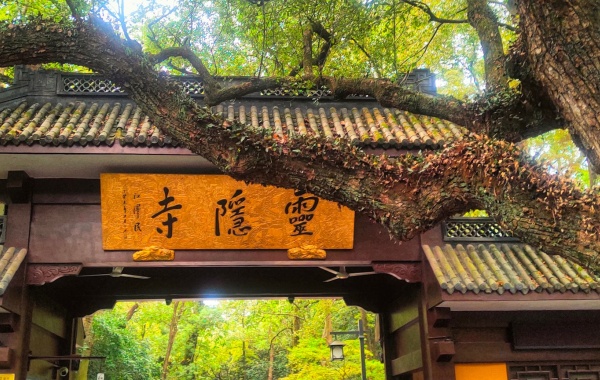
Храм ЛингинаРасположен в западной части Западного озера и в живописном районе пика Фейлай. Как один из "
Топ-10 буддийских храмов Дзен В Китае «Храм Линьинь считается святилищем для души и привлекает бесчисленных паломников. Основанный в 328 году н.э. индийским монахом по имени Хуэй Ли, он является старейшим и самым известным храмом в Ханчжоу с историей более 1700 лет. Непосредственно перед храмом Линьин находится холм с своеобразным названием «Пик, летающий издалека». Состоящий из известняка, он выделяется отчетливо из окружающих гор. Легенда гласит, что когда Хуэй Ли увидел эту вершину, он воскликнул: «Это часть Святой горы Граракута. Почему он прилетел сюда? Следовательно, он получил название «Peak Flying from Afar». Он также считал, что пик Фейлай был скрытым жилищем бессмертных. Именно поэтому он построил храм, обращенный к вершине, и назвал его «Лингинь», что означает «скрытое жилище бессмертных». Исследуя храм Линьинь, вы встретите две каменные пагоды (построенные в 960 году нашей эры), расположенные на восточной и западной сторонах перед Большим залом Махавиры. Эти пагоды являются старейшими реликвиями храма. Прогуливаясь по храму, вы услышите истории и узнаете об истории, стоящей за высокими деревьями и многочисленными буддийскими гротами. Среди впечатляющего ландшафта и буддийской культуры вы встретите самую большую статую Будды Сакьямуни в позе лотоса, и верующие зажигают благовония, когда они предлагают свои молитвы.
После этого вы откроете для себя живописные
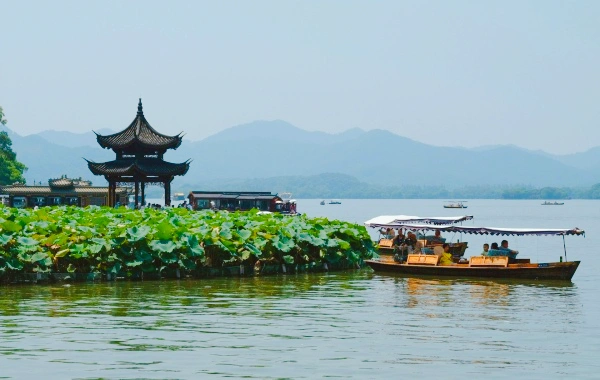
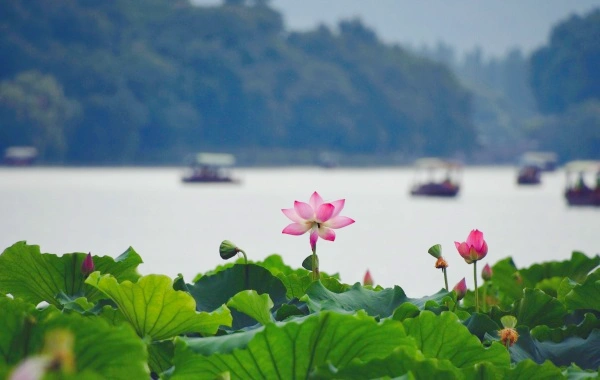
Западное озеро (Всемирное наследие ЮНЕСКО) как местное. Западное озеро большое, и вы можете отправиться в поход, покататься на велосипеде (бесплатно в течение первого часа), сесть на лодку (самостоятельно) или сесть на экскурсионный автобус (самостоятельно), чтобы исследовать его. Как символ города Ханчжоу, он украшен храмами, музеями, островами, виллами, чайными домами, мемориальными залами, бассейнами, арочными мостами, пагодами, монастырями и случайными дорожками, выложенными классическими ивовыми деревьями. Западное озеро поражает каждого посетителя своей красотой. Для китайцев Уэст-Лейк — самое романтичное место, вдохновленное стихами, написанными Су Дунпо, классической легендой «Белой змеи» и трагическим романом «Любителей бабочек», чья слава соперничает с славой Шекспира «Ромео и Джульетты».
В West Lake Must-See Spots есть:
Сломанный мост известен своей зимней красотой и как легендарное место встречи в «Легенде о Белой Змее».
Одиночный холм: Самый большой природный остров озера, в котором расположены музеи и исторические сады.
Три бассейна Зеркало Луны: Знаменитые каменные пагоды изображены на банкноте Китая в 1 юань, создавая волшебные лунные отражения.
Su Causeway: живописная дамба длиной 2,8 км, построенная поэтом Су Дунпо, идеально подходит для весенней прогулки под ивовыми деревьями.
Сломанный мост известен своей зимней красотой и как легендарное место встречи в «Легенде о Белой Змее».
Одиночный холм: Самый большой природный остров озера, в котором расположены музеи и исторические сады.
Три бассейна Зеркало Луны: Знаменитые каменные пагоды изображены на банкноте Китая в 1 юань, создавая волшебные лунные отражения.
Su Causeway: живописная дамба длиной 2,8 км, построенная поэтом Су Дунпо, идеально подходит для весенней прогулки под ивовыми деревьями.
После тура по Западному озеру вы можете прогуляться
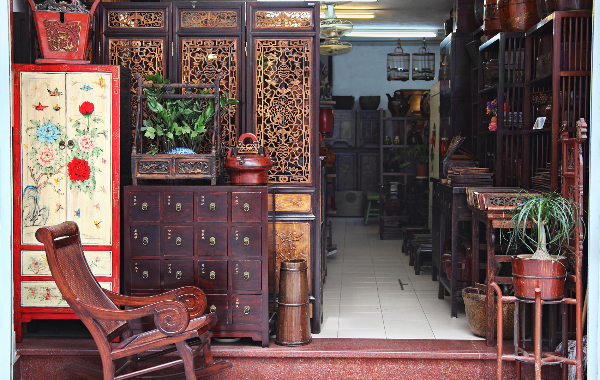
Улица Цинхефан Вы вернетесь к сценам процветания у подножия старого имперского города. В качестве рынков в задней части императорского двора династии Южная Сун (1127-1279) улица Хефанг не только стала свидетелем тысячелетних изменений в Ханчжоу, но и сохранила культурные воспоминания старых поколений. Если вас интересует китайская травяная медицина, вы можете посетить Ху Цин Ю Тан, который был построен Ху Сюэяном, известным богатым торговцем в поздней династии Цин.