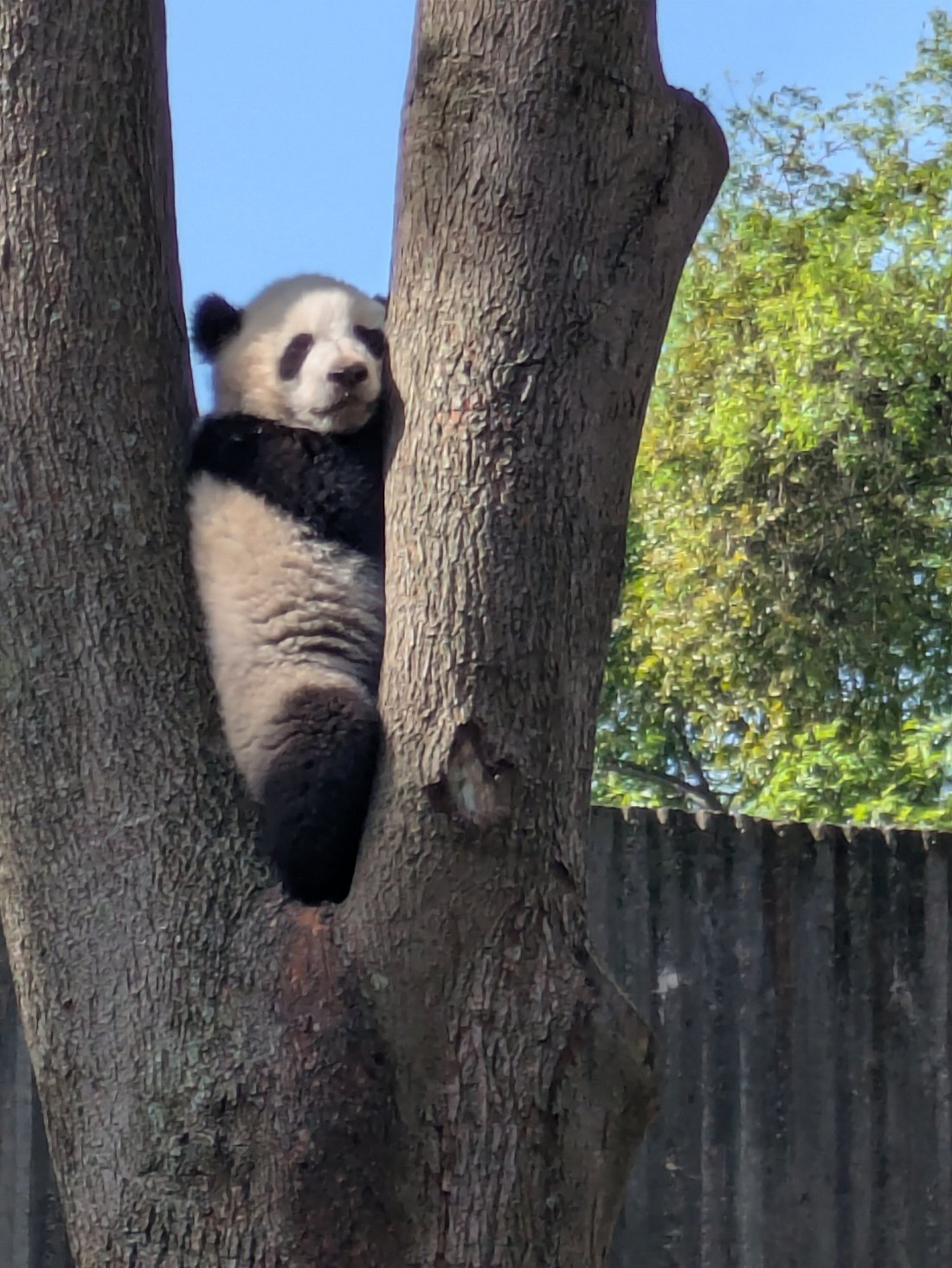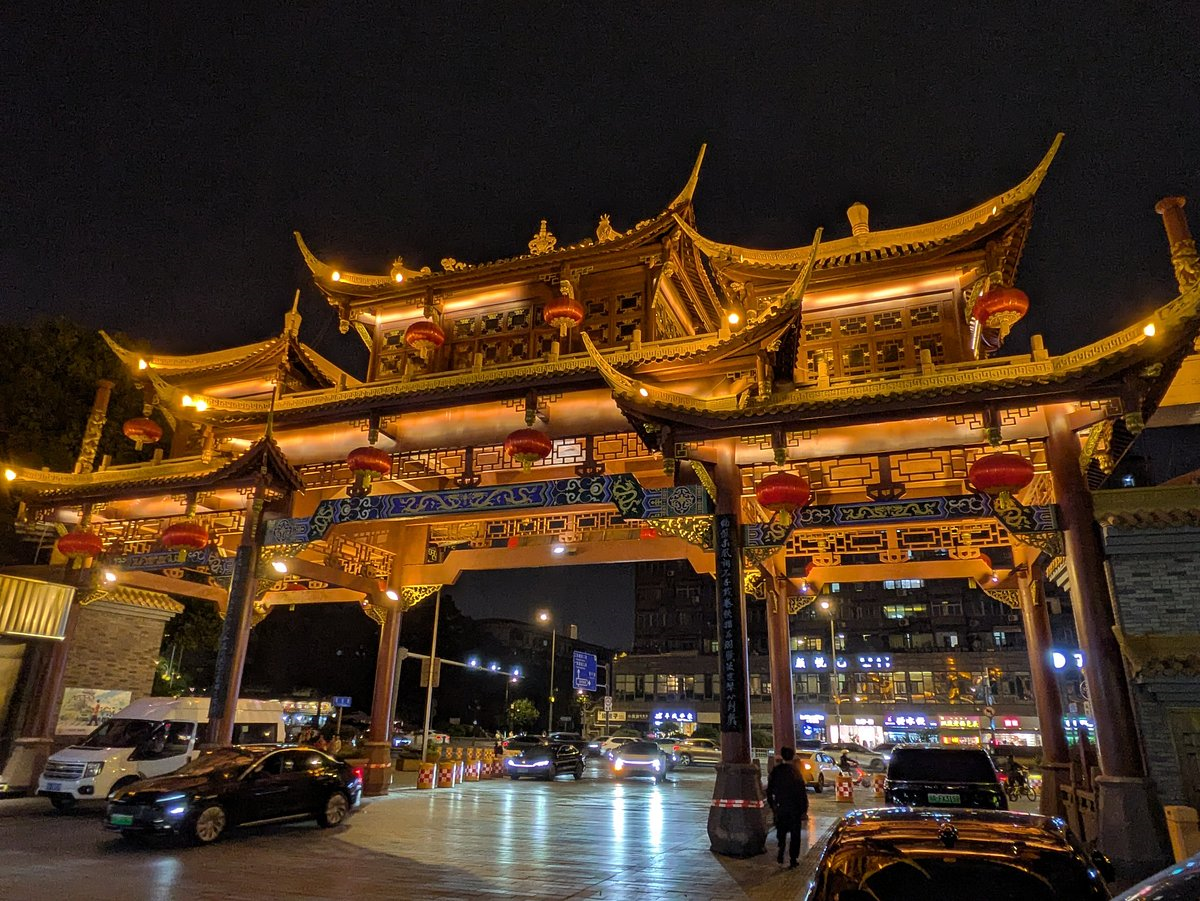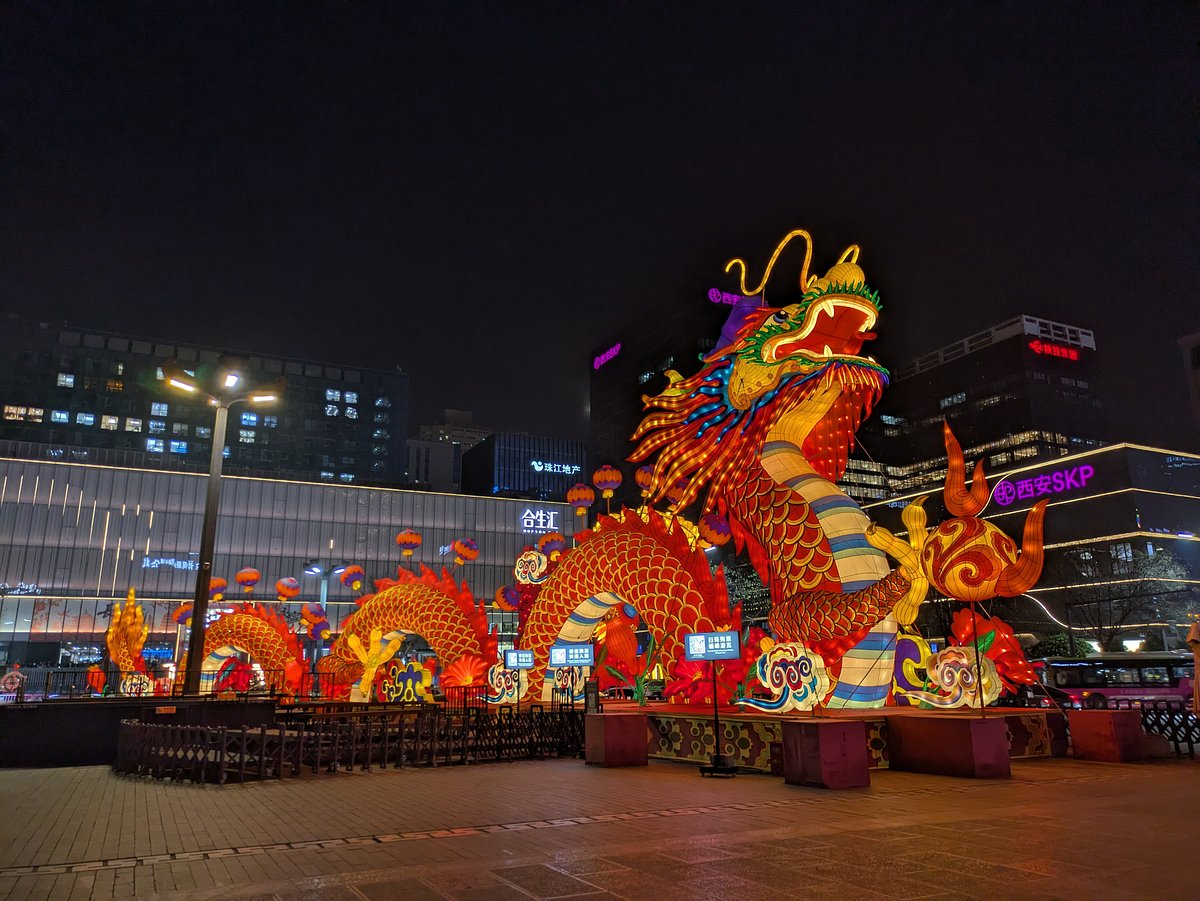

Hangzhou’s two-day essence lies in its harmonious blend of nature and culture: misty West Lake vistas, ancient Lingyin Temple grottoes, imperial Longjing tea ceremonies, and Hefang Street’s culinary delights—all woven into a serene tapestry of history, flavor, and timeless beauty.
Hangzhou Tour from Shanghai --China National Tea Museum--Meijiawu--Lingyin Temple--West Lake--Qinghefang
4-Stars Hotel
This morning, your guide will meet you in the hotel lobby and escort you to Shanghai high speed train station for your bullet train to Hangzhou (about 1 hour, 158km). And, welcome to Hangzhou, the “Heaven on Earth” and a cultural city with a history of over 5,000 years.
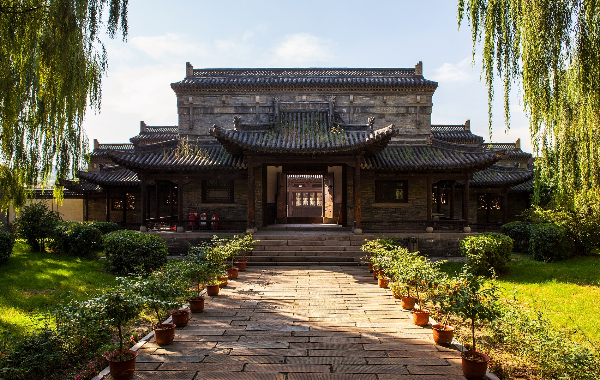
You will first visit the China National Tea Museum (China Tea Museum), the only national-level thematic museum in China dedicated to tea and tea culture. It houses a collection of 3,865 items, including 156 precious artifacts, 170 specimens of tea leaves from ancient to modern times, and 349 sets of foreign tea utensils. The museum is divided into two distinct branches: Shuangfeng Branch and Longjing Branch (located 3km apart). Shuangfeng Branch is closer to West Lake and is a beautiful Jiangnan-style garden. Besides a statue of Lu Yu, the Sage of Tea, and a special exhibition on West Lake Longjing Tea, here, you can learn about Chinese Tea Culture and the life cycle of tea plants, appreciate various exquisite tea utensils, gain insights into ancient tea-drinking and tea-making methods. Longjing Branch is built on a hillside, with tea trees, tea pavilions, and ponds interspersed in between. From the tea altar at the mountaintop, you can enjoy panoramic views of West Lake and the surrounding tea mountains. In Longjing Branch, you can learn about Global Tea Culture, how tea spread from China to the world, China's intangible cultural heritage of traditional tea-making techniques, China's historic tea ceremonies, and related customs, such as the Tang Dynasty's Tea Boiling and the Song Dynasty's Dian Cha.
Next, move to Meijiawu Tea Culture Village, the biggest Longjing Tea producing spot. It is said that a trip to Hangzhou won’t be complete without visiting Meijiawu Tea Village. It has hosted many national leaders, government heads, and friendly visitors worldwide since the 1950s. During the Qingming Festival (early spring), tea-picking women are busy harvesting tea leaves, creating the scenic of "MeiJiawu Early Spring", one of the 10 New Views of West Lake. It is said that more than 30,000 hand-picked fresh tea buds are needed to produce 1 kg of high-quality Longjing Tea (Dragon Well Tea). Meijiawu has a history of tea cultivation for over 600 years. As you stroll along its ancient streets lined with Ming and Qing dynasty buildings, you will encounter numerous tea workshops, hear the soothing sounds of gurgling streams, and be enveloped by the delightful fragrance of tea.
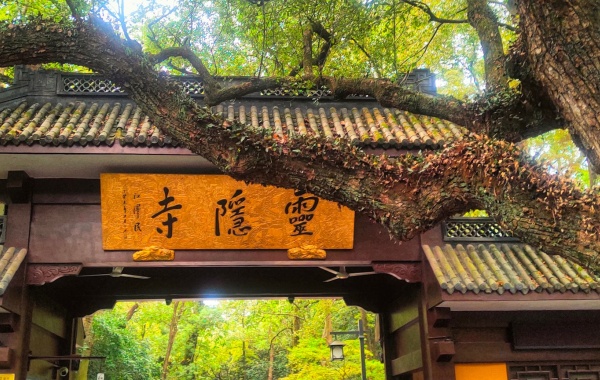
After lunch, head to Lingyin Temple, situated at the west end of West Lake and inside the Feilai Peak Scenic Area. As one of the "Top 10 Zen Buddhist Temples in China", Lingyin Temple is considered a sanctuary for the soul and attracts countless pilgrims. Founded in 328 AD by an Indian monk named Hui Li, it is the oldest and most famous temple in Hangzhou, with a history of over 1,700 years. Directly facing Lingyin Temple is a hill with a peculiar name, Peak Flying from Afar. Composed of limestone, it stands out distinctively from the surrounding mountains. Legend has it that when Hui Li saw this peak, he exclaimed, "It's a part of Holy Mount Grahrakuta. Why has it flown here?" Hence, it acquired the name "Peak Flying from Afar." He also believed that Feilai Peak was a hidden dwelling of immortals. That is why he built a temple facing the peak and named it "Lingyin", which means "a hidden dwelling of immortals". While exploring Lingyin Temple, you will come across two stone pagodas (built in 960 AD) located on the east and west sides in front of the Great Hall of the Mahavira. These pagodas are the oldest relics of the temple. As you hike through the temple, you will hear stories and learn about the history behind the towering trees and numerous Buddhist grottoes. Amidst the impressive landscape and Buddhist culture, you will encounter the largest statue of the Buddha Sakyamuni in the lotus position, and believers lighting incense as they offer their prayers.
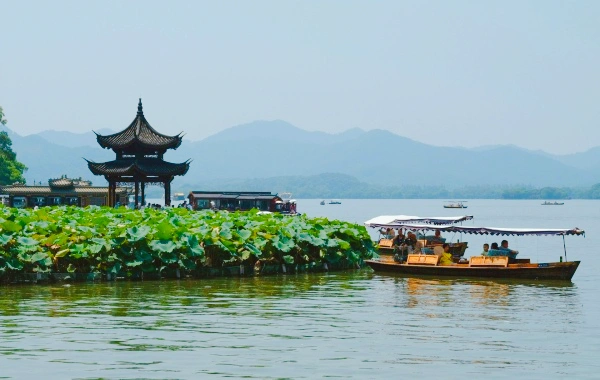
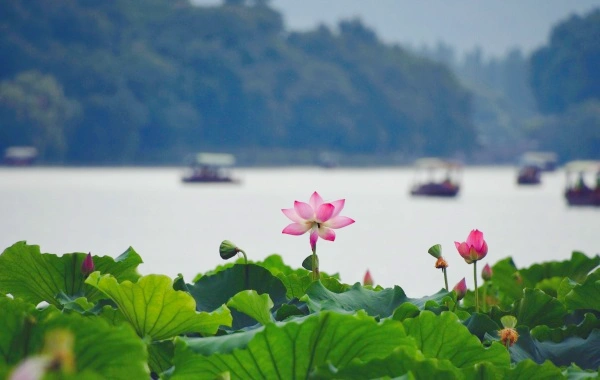
After that, you will discover the picturesque West Lake (UNESCO World Heritage Site) like a local. The West Lake is large, and you can choose to hike, ride a bike (free for the first hour), board a boat (self-pay), or take a sightseeing bus (self-pay) to explore it. As the city symbol of Hangzhou, it is adorned with temples, museums, islands, villas, tea houses, memorial halls, pools, arched bridges, pagodas, monasteries, and casual walkways lined with classic willow trees. The culture-laden West Lake overwhelms every visitor with its beauty. For Chinese people, West Lake is the most romantic place, inspired by poems written by Su Dongpo, the classic legend of "The White Snake", and the tragic romance of "The Butterfly Lovers", whose fame rivals that of Shakespeare's "Romeo and Juliet".
West Lake Must-See Spots Include:
The Broken Bridge: Famous for its winter beauty and as the legendary meeting place in the "Legend of the White Snake."
Solitary Hill: The lake's largest natural island, housing museums and historic gardens at its heart.
Three Pools Mirroring the Moon: The iconic stone pagodas featured on the China 1 RMB note, creating magical moon reflections.
Su Causeway: A 2.8-km picturesque causeway built by poet Su Dongpo, perfect for a springtime stroll under willow trees.
The Broken Bridge: Famous for its winter beauty and as the legendary meeting place in the "Legend of the White Snake."
Solitary Hill: The lake's largest natural island, housing museums and historic gardens at its heart.
Three Pools Mirroring the Moon: The iconic stone pagodas featured on the China 1 RMB note, creating magical moon reflections.
Su Causeway: A 2.8-km picturesque causeway built by poet Su Dongpo, perfect for a springtime stroll under willow trees.
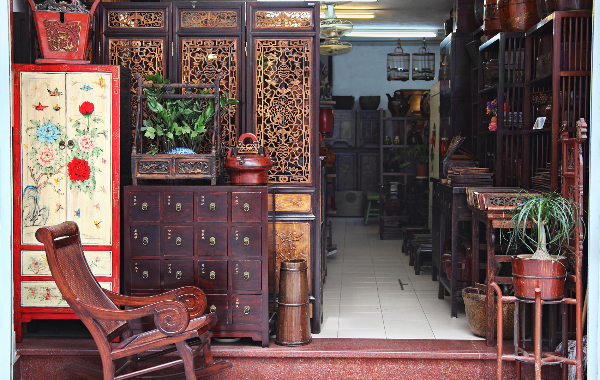
After the West Lake Tour, you can move to stroll through Qinghefang Street will bring you back to the scenes of prosperity at the foot of the old imperial city. As the markets at the back of the imperial court of the Southern Song Dynasty (1127-1279), Hefang Street has not only witnessed the thousand years of changes in Hangzhou but also retained the cultural memories of the old generations. If you are interested in Chinese Herbal Medicine you can visit - Hu Qing Yu Tang which was built by Hu Xueyan, a famous rich merchant in the late Qing Dynasty.